In Thanet, a pay rise for NHS workers could boost the area’s whole economy
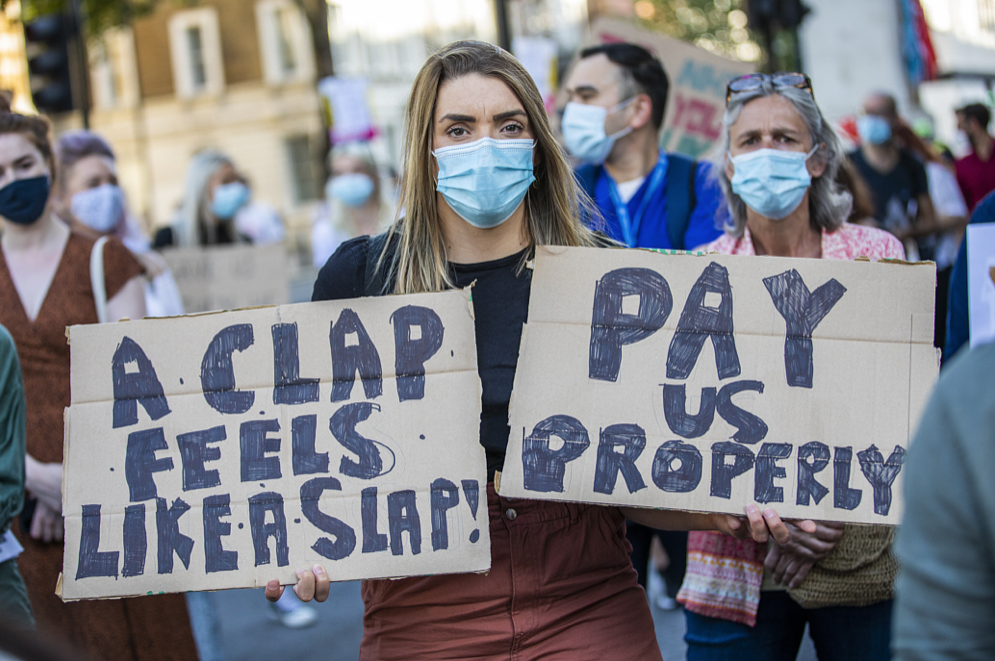
This week the country is debating the need for a pay rise for NHS workers, and according to polls, the public support for a decent pay rise is in the region of 75 – 85%. Even Conservative MP Roger Gale admits that the meagre 1% rise proposed will be eroded by inflation before the year is out.
However, a small number still object to any pay rise.
What isn’t always undertood is that NHS workers were hit with a pay freeze for eight years from 2010 – 2018 and during that time the cost of living kept rising, meaning that most nurses have effectively had a pay cut in real terms. For example, 47% of nurses are at the top of Band D, and due to frozen pay, they have effectively suffered a loss of £6,714 per year [ie they were £6,714 a year better off in 2010 in real terms]. Other nurses in Band D were £3,000 a year better off in 2010 in real terms.
How many of us would stand by quietly if over £6,000 were taken from us?
Of course, NHS workers are not the only ones whose pay has fallen behind the cost of living, and redressing pay across the board is necessary. Government can only directly alter pay for the public sector of course, but they can indirectly influence pay in the private sector by setting an example, devising incentives, and stimulating the economy. Improving wages for workers stimulates the economy a great deal, as those with more money in their pockets tend to go out and spend it on local businesses, improving revenues which in turn allows those employers to give pay rises to their employees.
Think of Thanet specifically: 2,000 people work at QEQM. If a large amount of them who are currently struggling get a pay boost, they will be able to do the things they have been abstaining from – money would be flushed into our local economy and benefit many.
Think of Thanet specifically: 2,000 people work at Margate’s QEQM Hospital. If a large amount of them who are currently struggling get a pay boost, they will be able to do the things they have been abstaining from – going to a cafe, restaurant, cinema (post pandemic restrictions of course); getting a plumber in; paying for other house maintenance and decoration; going to an exercise or yoga class; buying new clothes, small luxuries and gifts in local shops etc. Money would be flushed into our local economy and benefit many.
Another sector where pay is very bad is care work, and we know how tough it has been for those workers during the pandemic. How to encourage better pay for those workers is something that the government should be thinking about.
The most effective method would be to bring social care entirely into the public sector and have a National Care Service that has the same standards as the NHS, but as that is unlikely to happen under this government, another solution might be to reinstate the nursing bursary (axed by Jeremy Hunt) and make it free and as easy as possible for people to train as nurses and HCAs. If the transition from private care worker to NHS nurse or HCA was more appealing and made easier in terms of financial support, the private care employers would have to start paying their employees better in order to hang on to them; and at the same time the nursing shortage would be alleviated. Subsidies contingent upon pay increases could be considered for the care sector if needed.
These are just examples – there are many ways to incentivise and stimulate, but right now our leaders seem unwilling to put money where it will do some good, which is a real shame.
For every £1 of public money spent on the NHS, it actually increases our national wealth by somewhere between £2 and £4.
Another important thing to mention is the fiscal multiplier. The NHS has a fiscal multiplier of between 2 and 4. That means that for every £1 of public money spent on the NHS, it actually increases our national wealth by somewhere between £2 and £4. Some say the multiplier could be as high as 6. Money spent on the NHS is not ‘lost’; it’s an investment that makes us all richer. Keeping our workforce healthy boosts our economy. We have to start viewing the situation as it really is – spending on the NHS is a dead cert in terms of growing our overall wealth.
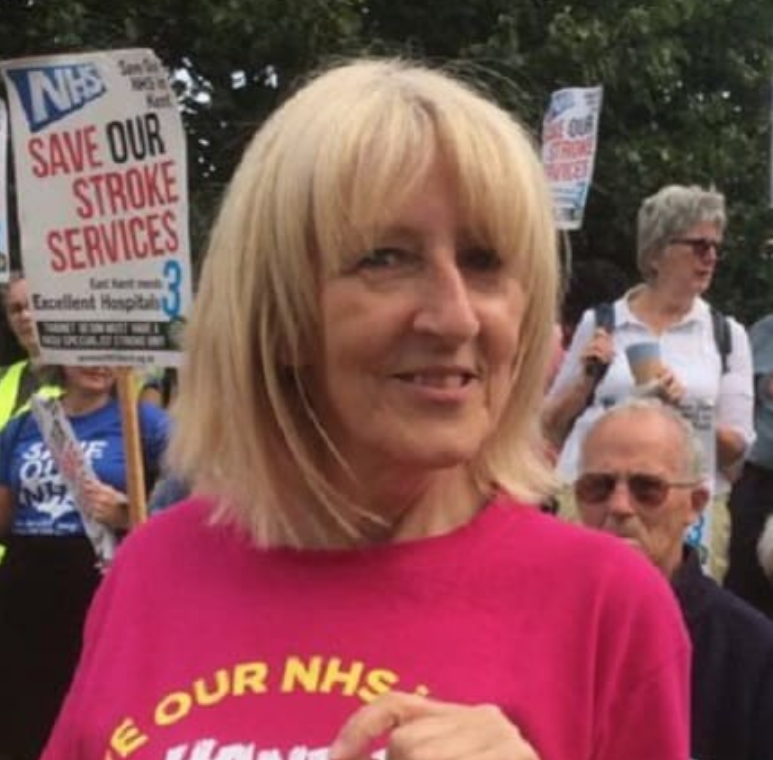
The change in mindset needs to happen urgently. Our NHS is buckling under the weight of unsafe staffing levels, as recently retired nurse and local councillor Candy Gregory explains. ‘This is a system already plagued with chronic staffing shortages. We have 100,000 job vacancies overall, 45,000 nursing vacancies. After this government announcement, we will now have many more wanting to give up their demanding, stressful, financially unrewarding careers.”
‘We cannot afford to lose any more, at the risk of patient safety.”
An injection of cash in the form of better wages is a measure our nurses, the NHS and our economy all badly need.
Please follow Nurses United campaign group and sign one of these petitions to support a proper NHS workers pay rise:
https://action.rcn.org.uk/page/70375/petition/1
March 10, 2021
SOURCES:
Popularity of a pay rise for NHS workers:
https://www.nursingtimes.net/news/policies-and-guidance/public-back-early-pay-rise-for-nurses-poll-reveals-29-07-2020/
https://www.dailymail.co.uk/news/article-9332333/Majority-British-public-NHS-workers-strike-support-7-pay-rise-poll-finds.html
Real terms pay cuts:
https://www.nursesunited.org.uk/stories/were-applying-pressure-to-the-nhs-pay-review-body/
The fiscal multiplier:
King’s Fund, Tackling poverty: Making more of the NHS in England, Jabal and Buck.
https://gimms.org.uk/2019/05/05/affordable-nhs/
https://www.economicsonline.co.uk/Market_failures/Healthcare.html
https://www.oecd.org/health/2010-ministerial/healthsystemprioritieswhenmoneyistight.htm



 In Whose Interests?